Jason and Lucia: How GTA 6 Turns a Relationship into Play
Jason and Lucia can share a getaway car, a safehouse and time between crimes. The interesting question is not simply whether GTA 6 tells a love story, but how playing as both people changes that story’s texture. Rockstar’s interviews describe a partnership sustained through ordinary activities as well as danger, with romance left to the player rather than treated as a compulsory reward for finishing missions.
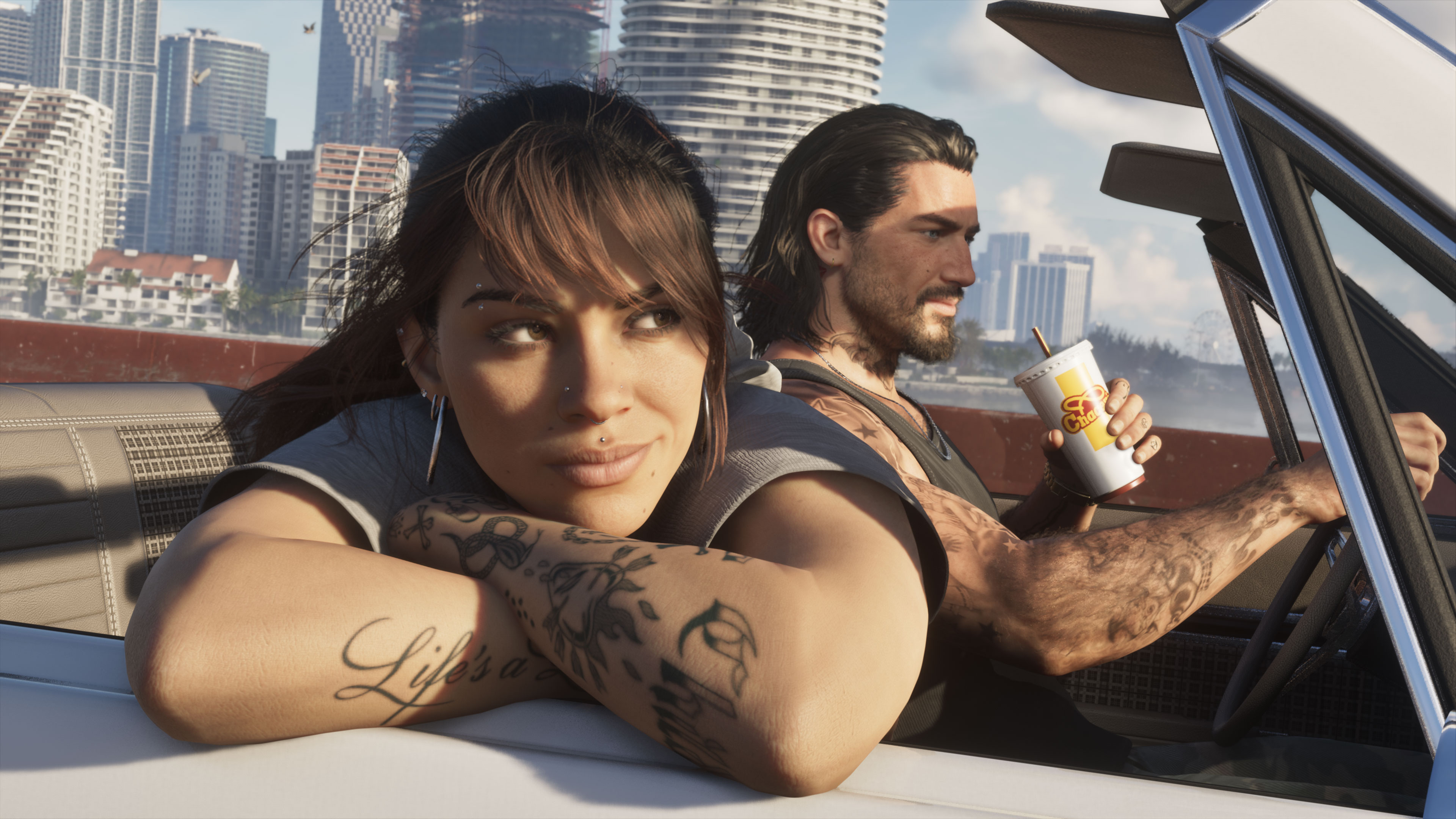
Rockstar’s official portrait of the pair illustrates their shared world. It is not evidence of a particular relationship state or outcome. · View original source ↗
Two protagonists are a creative choice, not an escalation
After GTA V’s three leads, Rockstar considered how to follow that structure. In both IGN and Famitsu, Rob Nelson explains the concern behind simply adding another protagonist: more characters could mean less time with each and weaker emotional investment. He contrasts that question with the attachment players formed to Arthur Morgan in Red Dead Redemption 2. The aim was not to maximise the number of playable perspectives but to make those perspectives matter.
A duo creates a different problem from either model. The player must care about Jason and Lucia separately while also caring about what happens between them. In IGN’s account, Nelson describes the player as a steward of their relationship when bringing them together. That is a statement of creative intent, not proof that every player will feel protective of the pair. It does explain why their ordinary interactions are being treated as a central part of the experience.
Sources: IGN: the full Rob Nelson interview · Famitsu: Rob Nelson interview
Optional romance does not mean an optional partner
Famitsu asks directly whether the relationship can change or deteriorate. Nelson says many of the situations facing the protagonists require cooperation, but players can approach them as a couple or as accomplices. IGN likewise introduces the romance as optional. The important distinction is between the story’s two-person partnership and its romantic dimension. Declining to cultivate the latter does not establish that one protagonist can be removed from the story or that the campaign can be completed without the other.
That distinction also prevents an easy but misleading leap to a fully branching dating game. These interviews do not enumerate relationship endings, compatibility scores or a dialogue tree that governs every scene. They describe room for the player to invest in the romance while preserving a shared criminal journey. The resulting possibilities may be significant, but a feature about them should explain the freedom actually described rather than supply an imagined list of consequences.
Sources: Famitsu: Rob Nelson interview · IGN: the full Rob Nelson interview
Time together is part of the system
Nelson tells IGN that the relationship is nurtured by spending time together. His examples range from pool, mini golf and kayaking to exploring and committing robberies. He says this shared activity can positively affect the relationship. The emphasis is broader than choosing a romantic response in a single conversation: the player’s decisions about how to spend an afternoon can become part of how the pair are experienced.
He also distinguishes the relationship system from the Criminal Profile, which tracks the kind of criminal the player is behaving as. They should not be collapsed into one good-or-bad meter, nor should either be treated as a renamed copy of Red Dead Redemption 2’s Honor. Our interpretation is that this separation allows two questions to coexist: what sort of conduct defines this character, and what sort of connection exists between these two people? The interview does not reveal the full calculation behind either.
Sources: IGN: the full Rob Nelson interview
The safehouse becomes a place to find the other person
IGN’s demonstration begins in a safehouse with Jason and Lucia together. Nelson describes believable schedules and greater interactivity, comparing these spaces with Red Dead Redemption 2’s camps rather than the simpler function of earlier GTA safehouses. Famitsu also discusses changing hideouts as the story progresses and the routines of the people living there. These accounts make the home a setting for companionship, not merely a pause between missions.
The useful design implication is the possibility of continuity. Returning to a place where the other character has a routine can make time together feel less like selecting an isolated activity from a menu. But the camp comparison has limits. It does not confirm every domestic interaction, unrestricted property ownership or a detailed household simulator. What Rockstar has described is an inhabited base that supports the duo’s lives. How convincing or repetitive those routines become will require sustained play to assess.
Sources: IGN: the full Rob Nelson interview · Famitsu: Rob Nelson interview
A capable companion changes the rhythm of a getaway
In the IGN and Famitsu demonstrations, driving and shooting provide concrete examples of the partnership. The player can sometimes handle one role while the other protagonist handles the other. Nelson also discusses travelling with the partner driving, and IGN describes shared errands and small interactions such as holding a door. These examples are interesting because they place companionship inside familiar GTA actions rather than limiting it to dialogue after the action stops.
They are not confirmation of two-player campaign co-op. The interviews concern switching the controlled protagonist and relying on the other character within the demonstrated single-player experience. Nor does a competent getaway in a demonstration establish that companion driving will always be flawless. The potential change is one of rhythm: an escape can be something the pair do together, and a journey can include time as a passenger. Reliability, repetition and player control remain important questions for the finished game.
Sources: IGN: the full Rob Nelson interview · Famitsu: Rob Nelson interview
Playing both sides still involves authored boundaries
Famitsu describes three arrangements for character switching: freedom in some circumstances, restrictions for story reasons and automatic handovers inside particular missions. IGN also says the team tries to keep switching open while acknowledging narrative exceptions. The relationship therefore does not turn every scene into a choice of viewpoints. Rockstar can still decide whose perspective is necessary at a particular moment, even while giving both characters substantial playable roles.
The writing has to support that balance. In LOVE, Elizabeth Gauvey-Kern describes the leads as tough but vulnerable, flawed and capable of learning from each other. Alexa D’Agostino discusses drawing on women she knows when writing Lucia. These are accounts of character construction, not mechanical specifications. They explain the other half of the project: giving the pair distinct wants and personalities so that cooperating does not reduce one of them to an accessory for the protagonist currently under the player’s control.
Sources: Famitsu: Rob Nelson interview · IGN: the full Rob Nelson interview · LOVE: GTA VI, The American Dream
The real test is whether the ordinary moments matter
The intriguing prospect is a relationship that exists during play rather than only being announced in cutscenes. Shared routines, capable assistance and optional time together could make the pair’s connection tangible. That is our analysis of the developer accounts, not a review verdict. The July demonstration discussed in IGN’s October transcript and the other interviews do not reveal the complete campaign, final balancing or every consequence of neglecting the romance.
There is no basis here for a guaranteed relationship-maintenance schedule, an optimal affection grind or a definitive list of endings. The more useful eventual question is whether players want to spend time with both people when the game is not requiring it. Rockstar’s stated ambition rests on that voluntary attachment. Jason and Lucia are not just two biographies to memorise before launch; they are an attempt to make caring about a partnership part of the way an open world is played.
Sources: IGN: the full Rob Nelson interview · Famitsu: Rob Nelson interview · LOVE: GTA VI, The American Dream
The reporting behind this analysis
Famitsu publishes its developer interview
Rob Nelson discusses the duo, character switching and the connection between story and everyday play.
LOVE publishes its creative-team interview online
Rockstar discusses writing, world-building and its approach to connecting players with the characters.
IGN publishes its full July interview
The expanded transcript provides detailed examples and qualifications, not a new October playtest.
Continue reading
Related GTA 6 coverage

GTA 6 reveals six radio stations and lets Jason and Lucia listen on foot
Rockstar Games · 2026-10-08

Jason and Lucia's relationship can change through activities, messages and time apart in GTA 6
IGN · 2026-10-08

GTA 6's physical campaign expands with a hand-painted Brooklyn mural and a Paris display
Colossal Media on Instagram · 2026-10-06
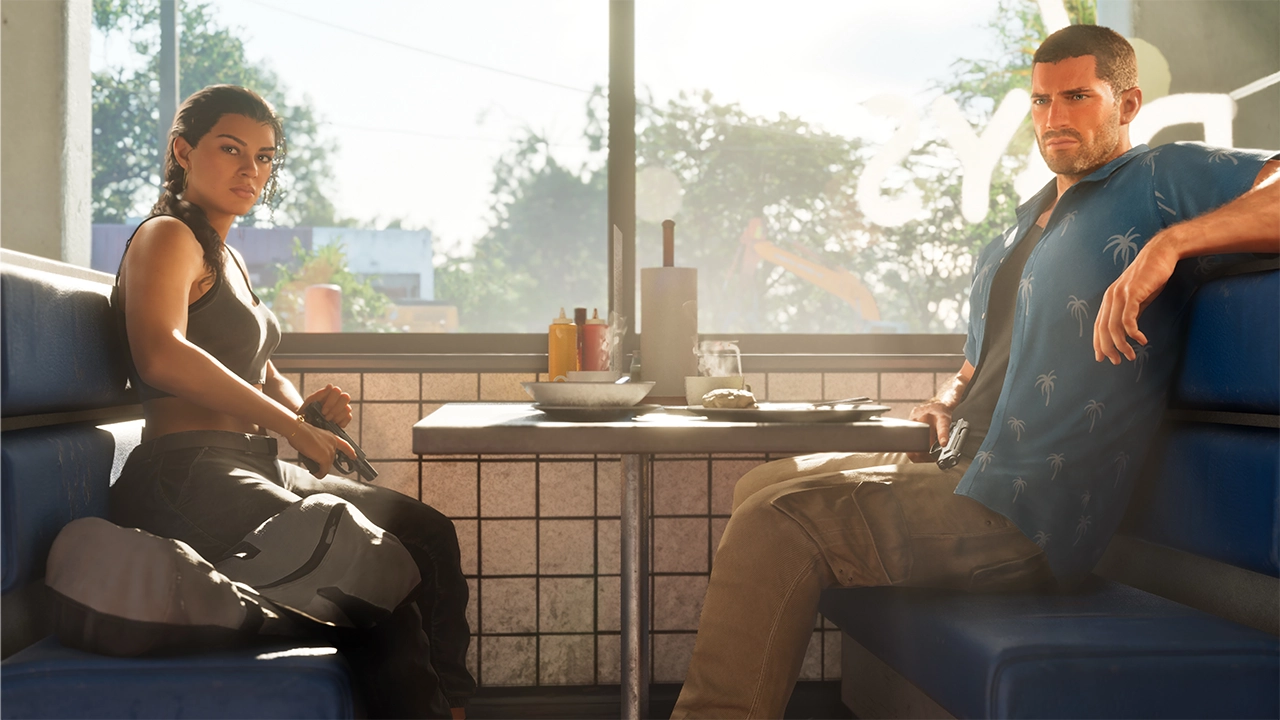
GTA 6 writers explain Jason and Lucia's contrasting ambitions as LOVE shares new images
LOVE Magazine: public interview preview · 2026-10-02
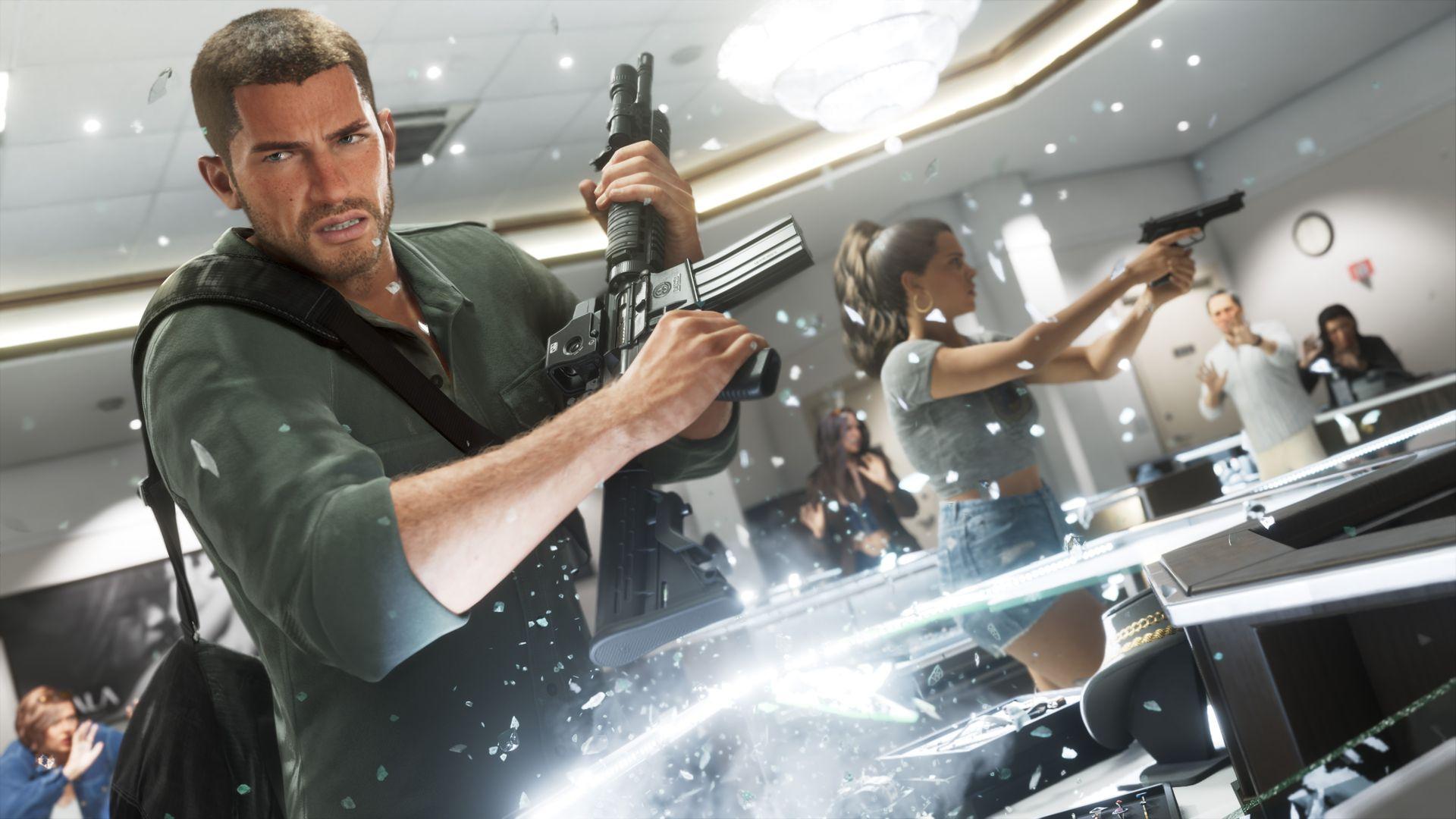
GTA 6 ties some mission access to Jason and Lucia’s current income
Game Informer: direct Rockstar cover story · 2026-09-30

GTA 6 relationship and money-laundering claims: TGG’s analysis
TGG · 2026-09-08