How Rockstar Sells GTA 6: Turning Awareness into a Cultural Event
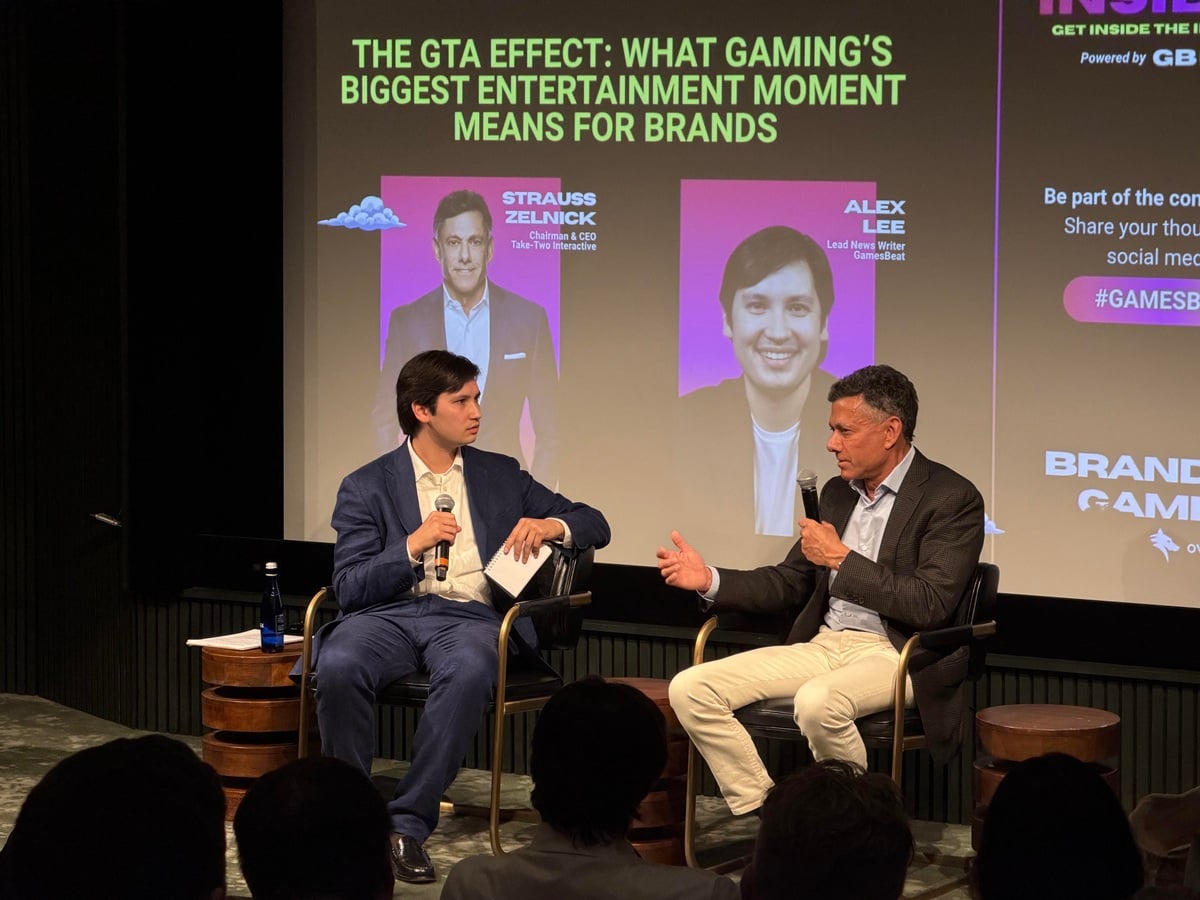
Almost everyone knowing a brand does not mean everyone intends to buy its next release. That is the distinction Take-Two chief executive Strauss Zelnick drew in GamesBeat’s September 16 interview coverage. Rockstar’s GTA 6 campaign can be read through that lens: explain what the game offers, reach people through different cultural interests and give them reasons to act. The public record documents the campaign’s components; its effectiveness and total cost are separate questions.

Destination imagery is part of the campaign’s identity. This is game imagery, not a photograph of a real advertising installation. · View original source ↗
The problem is not simply making the name familiar
GamesBeat reports Zelnick arguing that broad entertainment launches still have to create enthusiasm even when the underlying intellectual property is well known. He uses the Barbie film campaign as a comparison and separates exposure from the intention to consume. This is direct reporting of the publisher’s commercial thinking, not a leaked marketing plan or a promise about the number of GTA 6 buyers.
It is a useful starting point because recognition is an incomplete metric. A person may know GTA exists but not own a supported console, understand what distinguishes the sequel or feel ready to commit time and money. Our interpretation is that different campaign formats address different gaps. That framework explains why a famous game might need more than one spectacular trailer without assuming every promotional expense will pay for itself.
The long video does two jobs at once
Zelnick describes an element of tutorial-like explanation in the Extended Look: the presentation entertains while showing how players will engage with the game. His point concerns communication before purchase. It is not confirmation that a particular tutorial sequence appears inside GTA 6, nor evidence that a player can learn every system from an edited presentation.
Analysis: long-form gameplay marketing can reduce uncertainty as well as increase excitement. A conventional trailer compresses mood and spectacle; a longer presentation has space for transitions, ordinary interactions and an explanation of what the player does between dramatic moments. That does not eliminate selection. Rockstar still controls what is shown, and the resulting material cannot substitute for independent performance measurements or a complete review.
Dazed takes the game beyond a specification sheet
Dazed’s September feature presents fashion, bodies, street art, music and named creative contributors alongside developer interviews. Its clothing credits and discussion of a researched fashion ecosystem make the game legible through interests that are not limited to weapons, frame rates or map size. This is observable editorial framing in the published feature; we do not need to invent a commercial contract to describe it.
Our analysis is that access-led cultural coverage can position GTA 6 as a designed world rather than merely a sequel with more content. It can also reveal genuine production work that a short trailer cannot explain. Access remains part of the context, however. An interview records what developers say and what a journalist was shown. It does not independently establish every claim about realism or the final quality of the experience.
Sources: Dazed — interviews with Rockstar
Different publications offer different routes into Leonida
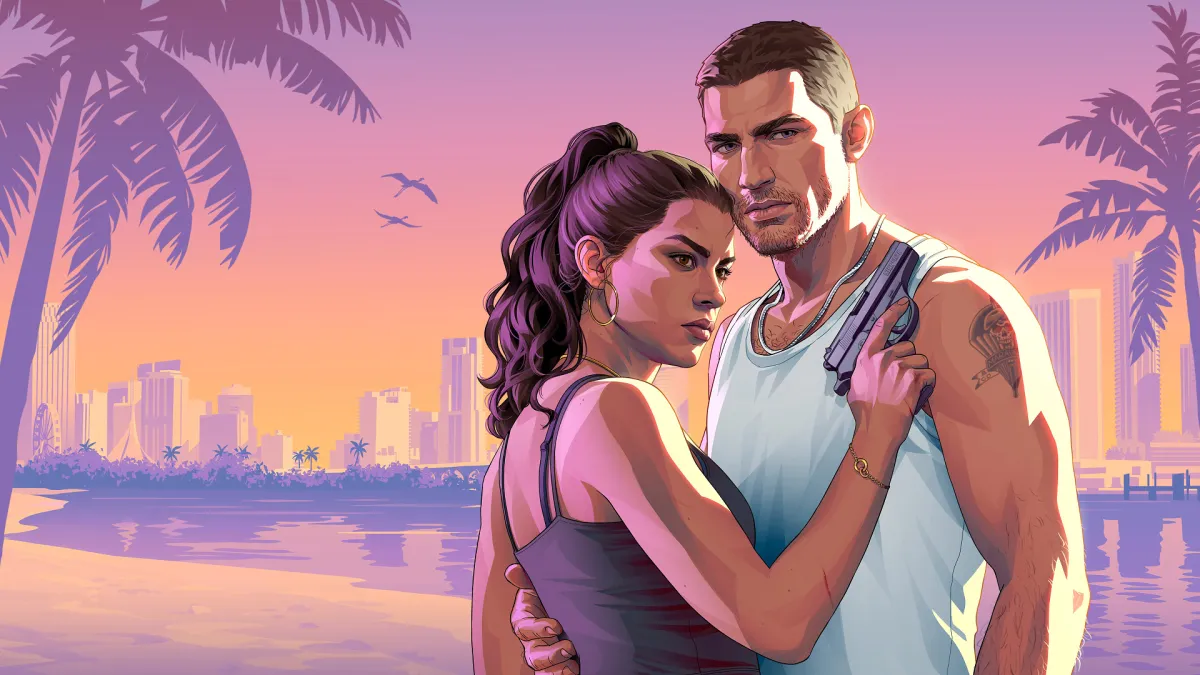
Game Informer’s September 25 cover reveal announces a 14-page story, twelve exclusive screenshots and interviews focused on Leonida, including weather, wildlife and research. It dates the digital issue for September 29. As of this review, that is an announced editorial package, not a body of new mechanics we have already read. The distinction matters when a cover reveal itself becomes news across other sites.
The contrast with Dazed is useful without claiming either publication exists only as a marketing vehicle. Each offers its own editorial perspective and audience. Together, the appearances create repeated occasions to discuss the game through different questions. That is an analysis of the visible sequence. It does not prove an undisclosed exclusivity agreement, payment, embargo term or precise internal schedule.
Sources: Game Informer — GTA VI cover announcement · Dazed — interviews with Rockstar
Music can travel without the game attached
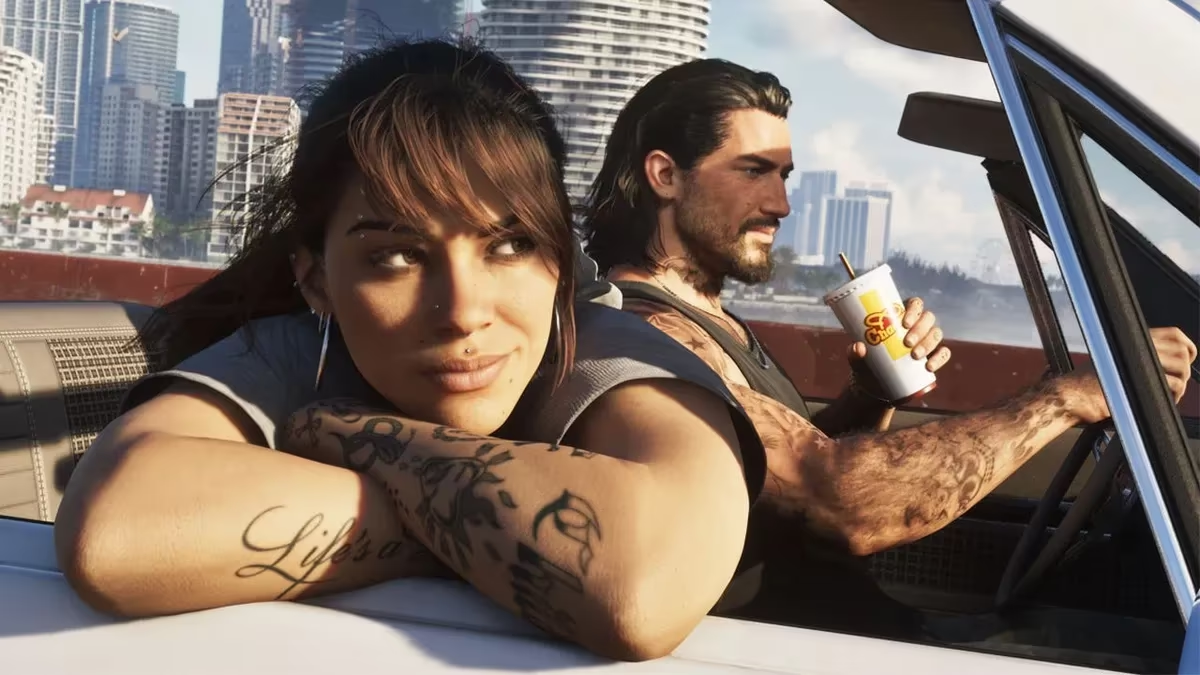
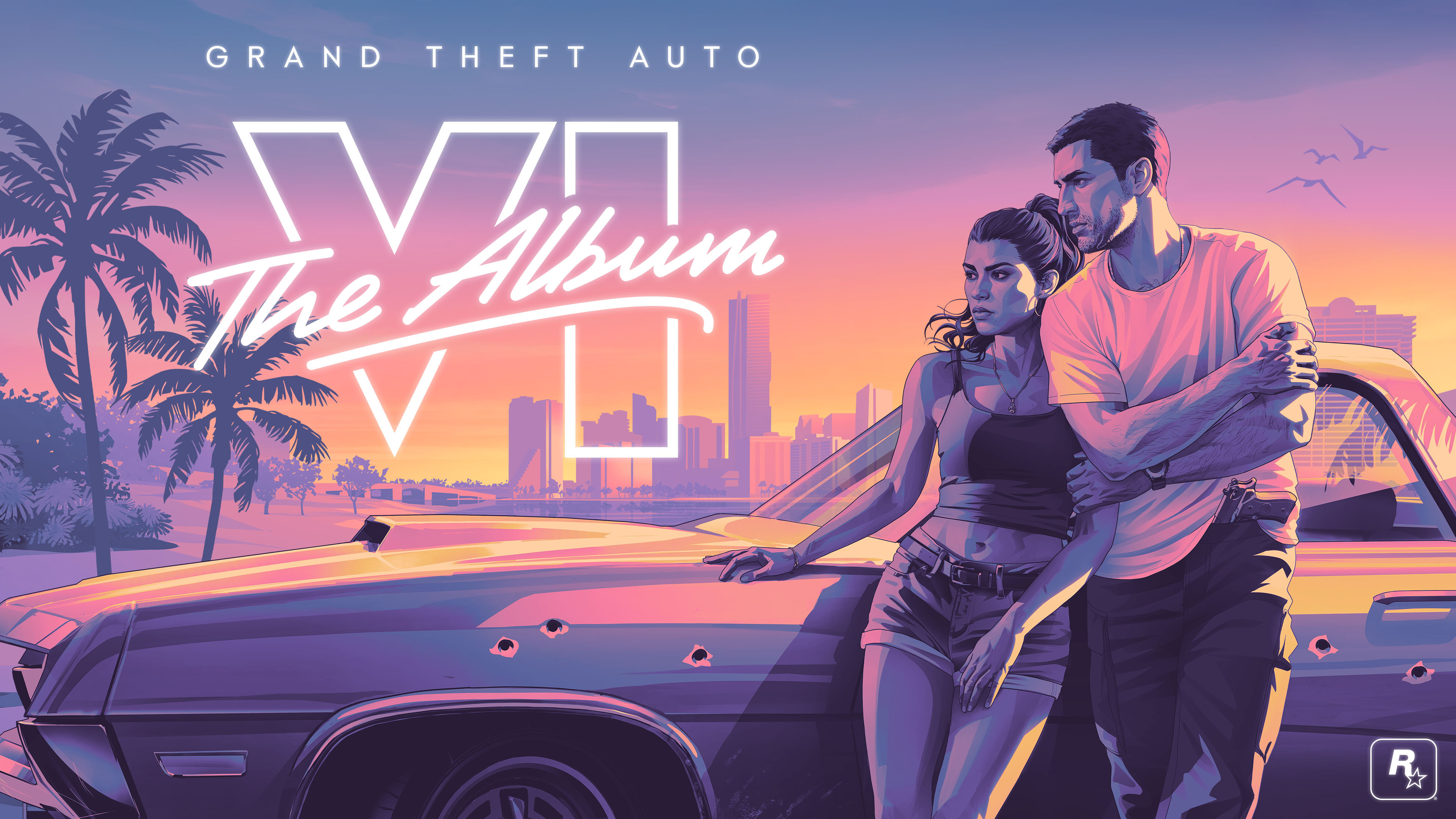
Rockstar’s September 17 announcement gives GTA VI: The Album a 34-track specification, an Atlantic Records partnership and six early singles. Music can reach listeners through streaming and physical releases independently of a gameplay demonstration. That makes it a distinct point of contact with the world of Vice City, not simply another version of the same trailer.
The commercial separation is important. The original album is not automatically the full in-game radio catalogue, and an artist’s participation in it does not confirm a character role. Rockstar’s announcement leaves further information about the score and radio for later. Our strategic reading is that the album expands the campaign’s cultural reach; no public listening figure used here establishes how many additional game purchases it produces.
Sources: Rockstar — GTA VI: The Album
Merchandise turns fictional identity into a physical product
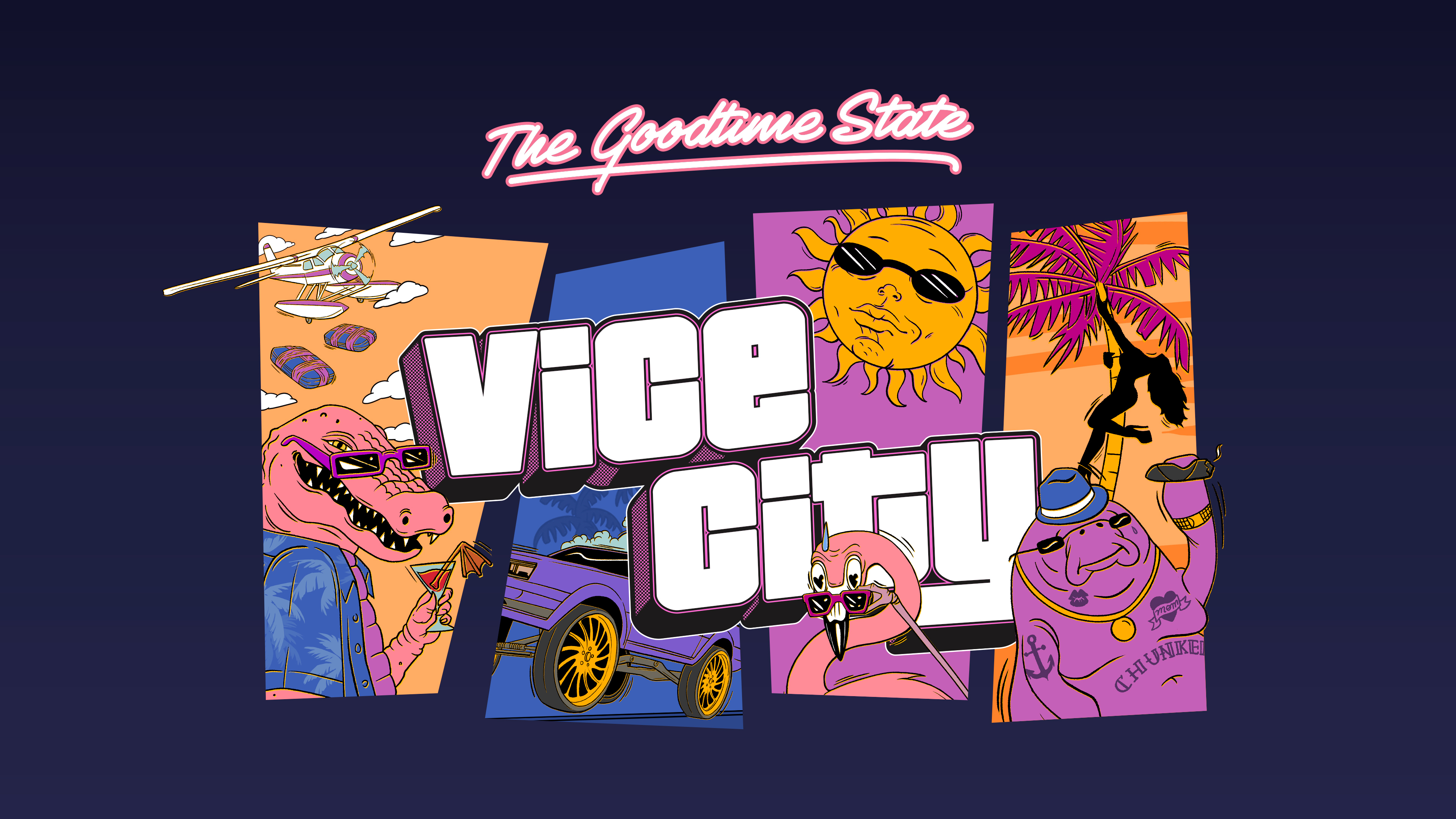
The September 24 Vice City Collection announcement offers a different connection: objects associated with Leonida’s fictional culture, including Macca the Gator-themed merchandise and a double-sided souvenir poster of Leonida. Crucially, Rockstar states that the game is sold separately. The collection should therefore be understood as a parallel consumer product, not as proof that the game itself costs the combined price of all the branded items.
Analysis: merchandise can let an audience display affiliation before playing. It can also create news and controversy through design, pricing or resale listings. None of those reactions alone proves the campaign is succeeding or failing. Advertised resale prices are not completed sales, and a sold-out item in one territory would not establish worldwide demand. The responsible unit of analysis is the specific product and market being observed.
Sources: Rockstar — Vice City Collection
Creators can translate the proposition, but trust is not automatic
In GamesBeat’s account, Zelnick discusses creators as amplifiers of word of mouth and argues that they cannot indefinitely convince their audience that a poor product is good. That is his view of incentives and credibility. It should not be repeated as a universal guarantee that creator coverage is independent, unpaid or accurate. The existence of a preview invitation also does not by itself establish a sponsorship.
For readers, the useful questions are specific: did the creator play or watch, what build was shown, which details were observed, and which are interpretations or remembered conversation? Our police and economy features apply that distinction to TGG’s accounts. Creator testimony can add depth to the official presentation while still requiring attribution, especially when the public cannot replay the private demonstration.
Judge the campaign by the question each format answers
The table is our interpretation of the visible campaign, not Rockstar’s internal planning document. It helps explain why repeated coverage need not be redundant. One format introduces the fantasy, another demonstrates interaction, and another makes the fictional culture tangible. Those purposes can overlap, and a reader may encounter them in a different order from the publisher’s release schedule.
What remains unavailable here is a verified campaign-wide budget, geographic spend breakdown, attribution model or conversion rate. Impressions, views, preorders, shipments and revenue are different measures. Without comparable figures, it would be misleading to declare this the most effective campaign in gaming. The supported conclusion is narrower: Rockstar is using several distinct formats to turn familiarity into interest, understanding and potential purchase.
| Format | Question it can answer | What it cannot prove |
|---|---|---|
| Long gameplay presentation | What would I do in this game? | Final performance and complete quality |
| Developer interviews | How was this world made? | Independent verification of every claim |
| Soundtrack release | What does this world sound like? | A full radio catalogue or sales conversion |
| Merchandise | How can I own a piece of its identity? | The price of the game or worldwide demand |
Sources: GamesBeat — Strauss Zelnick interview · Dazed — interviews with Rockstar · Game Informer — GTA VI cover announcement · Rockstar — GTA VI: The Album · Rockstar — Vice City Collection
Evidence timeline
Dazed publishes its cultural deep dive
Developer access is framed through fashion, art and life in Leonida.
Zelnick explains the commercial rationale
GamesBeat reports his distinction between awareness, enthusiasm and intent.
Rockstar announces the album
Music becomes a standalone release alongside the game.
Official collector merchandise announced
The Vice City Collection is a separate purchase without GTA VI.
Game Informer announces its cover
A new editorial occasion is scheduled for September 29.
Continue reading
Related GTA 6 coverage
Game Informer reveals GTA 6 cover story with 12 new screenshots and Rockstar interviews
Game Informer · 2026-09-25
GTA 6 map leak: Rockstar removed four Leonida labels from a collection image
Rockstar Store · 2026-09-24
Rockstar confirms GTA 6’s $399.99 Vice City Collection — 11 collectibles, but no game
Rockstar Games Newswire · 2026-09-24
A distributor described GTA 6's album four months before Rockstar announced it
Alliance Entertainment earnings-call transcript via MarketBeat · 2026-09-21
GTA 6: The Album announced with 34 original tracks and six singles out now
Rockstar Games Newswire · 2026-09-17
Take-Two CEO explains why GTA 6 still needs aggressive marketing
GamesBeat · 2026-09-17