GTA 6: The Album announced with 34 original tracks and six singles out now
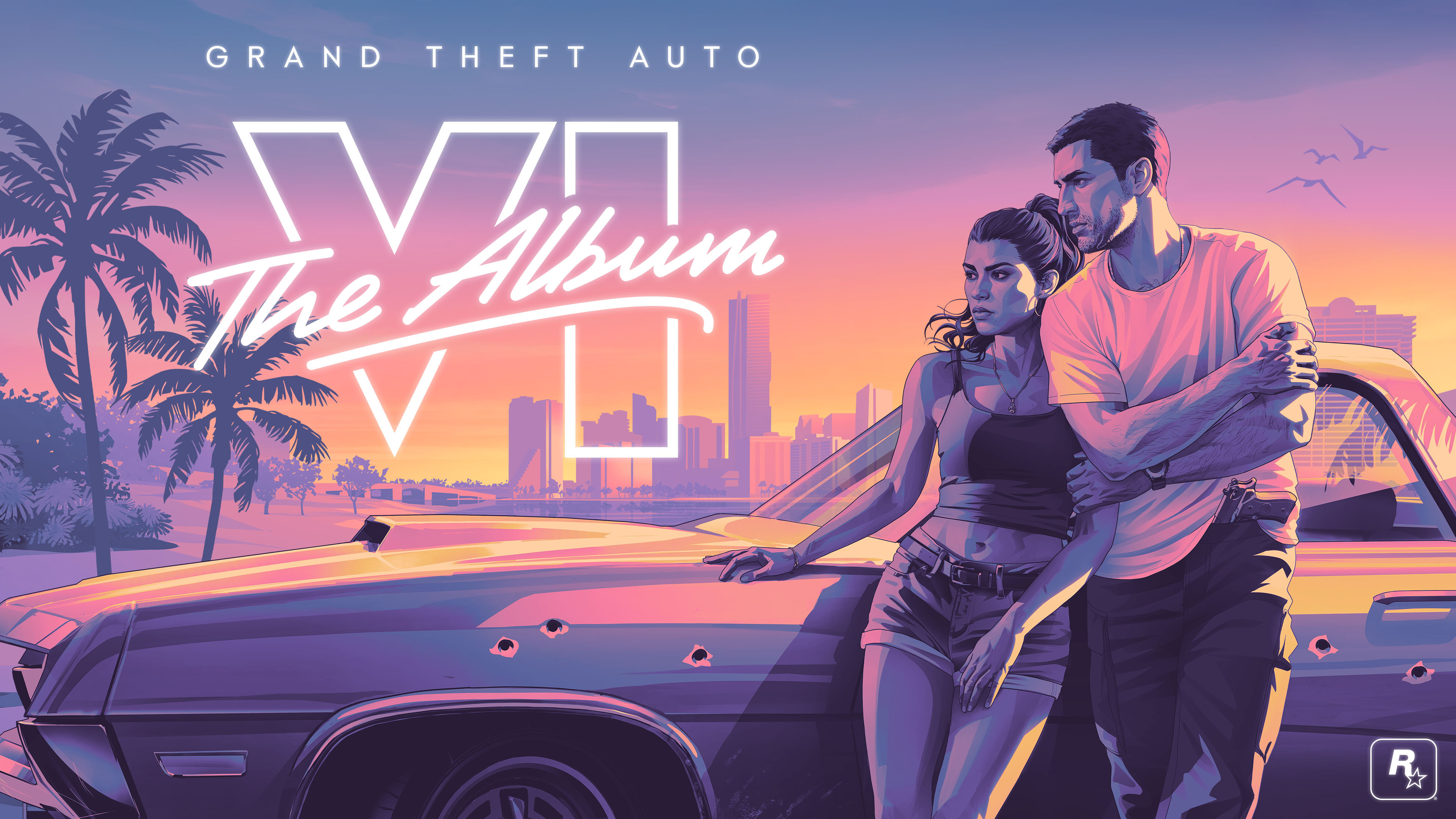
Rockstar Games and Atlantic Records have announced Grand Theft Auto VI: The Album, a 34-track collection of original songs launching with GTA VI on November 19. Six singles are already available, and physical editions include CD, standard vinyl and a limited liquid-filled pressing. Atlantic's president has since described the record as a secret two-year collaboration with Rockstar. The album is still not the complete musical blueprint of the game: Rockstar says details about the dynamic score and the next evolution of in-game radio will come later.
 SOURCE IMAGE
What Rockstar has officially announced
Grand Theft Auto VI: The Album contains 34 original tracks and will arrive on November 19 alongside the game. Rockstar identifies Atlantic Records as its partner and says the collection will be available through major streaming services, vinyl and CD. The wording matters: this is an official soundtrack album made up of original recordings, not a complete list of every licensed song that may appear on GTA VI's radio stations.
Atlantic says the album was built in secret for two years
GTA BOOM reports that Atlantic's president described the project on Instagram as ‘two years of our lives’ and credited close work with Rockstar from the beginning. The statement adds useful production context: the label and studio were developing the record long before pre-orders and the public artist-artwork rollout. It does not reveal the remaining tracks or prove how individual songs appear in the game.
The first six songs are available now
Rockstar released six singles with the announcement: Yung Lean's ‘That's It’ featuring Future and Metro Boomin; Travis Scott's ‘RHYNO’, produced by Guy-Manuel de Homem-Christo; ‘Sexy Magic’ by CA7RIEL & Paco Amoroso, PinkPantheress, Fred again.. and Etienne de Crécy; Morgan Wallen's ‘Last Thing You Need’; Rauw Alejandro's ‘Macacoa 2000’; and Keith Richards' ‘Bright Lights, Big City’. These credits confirm participation in the album. They do not by themselves confirm a dedicated radio station, an in-game performance, a cameo or a mission role for any artist.
Physical editions turn the soundtrack into a collector product
Rockstar says the album will receive vinyl and CD editions at launch. Three versions are exclusive to the official album store: a liquid-filled limited-edition vinyl, a splatter-edition vinyl and a CD jewel case. Additional retailers will carry exclusive vinyl colours and unique artwork. GTA BOOM recorded US launch prices of $19.98 for the CD, $49.98 for the splatter vinyl and $124.98 for the liquid-filled edition; those are dated US listings, not guaranteed international prices.
Album, dynamic score and radio are three different layers
Rockstar closes its announcement by promising more information about GTA VI's music, specifically naming the dynamic score and the next evolution of in-game radio. That sentence establishes that the 34-track album is not the whole story. A soundtrack album is a curated commercial release; a dynamic score reacts to scenes and play states; in-game radio can combine licensed records, original songs, DJs, talk segments, advertising and fictional programming. None of the latter two systems has been fully detailed yet.
How the artist-artwork campaign now fits
The synchronized GTA VI artwork posted by major artists on September 15 was a coordinated lead-in to this reveal. Several names from that campaign now appear among the first six singles, resolving the broad purpose of the posts. The artwork's specific visual clues remain open to interpretation, however. A Jack of Hearts motif or a shared car image cannot establish where a song plays or whether an artist appears as a character without additional first-party information.
What remains unknown
Twenty-eight album tracks remain unannounced, and Rockstar has not said whether all 34 songs appear in the game in their complete album forms. The studio has also withheld radio-station names, DJ and host credits, talk-radio details, composer information for the dynamic score and the relationship between radio programming and story missions. Those gaps are now the key questions; speculative playlists should not be labelled complete OSTs.
How to read this
This item is based on a direct publication by the cited primary source.